
Robert Forrant
The ‘Industrial Beehive’ Takes Shape
This talk explores 150 years of innovative and collaborative precision manufacturing in the Connecticut River Valley. Springfield was at the approximate center of a prosperous 200-mile industrial corridor between Bridgeport, Connecticut, and Windsor, Vermont. The region benefited from a 1794 decision by Congress to locate a federal armory there. The Armory diffused numerous production techniques to firms that served global markets for tools, fixtures, machinery, molds, rifles, carriages, rail cars, and even built the machines for Henry Ford’s Model T assembly line and Rolls-Royce automobiles. Similar to how Silicon Valley firms worked together in the 1960s and 1970s, acting as a magnet for skills and inventiveness, the 1830s and 1840s collaborations led to the rapid development of metalworking and machinery building. The Armory served as the “Stanford University of the region,” a clearinghouse for new ideas. Thus, the river valley enjoyed a comparative technological advantage through the 1960s and 1970s. This History Camp talk discusses the region’s history based on extensive archival research and first-hand experience.
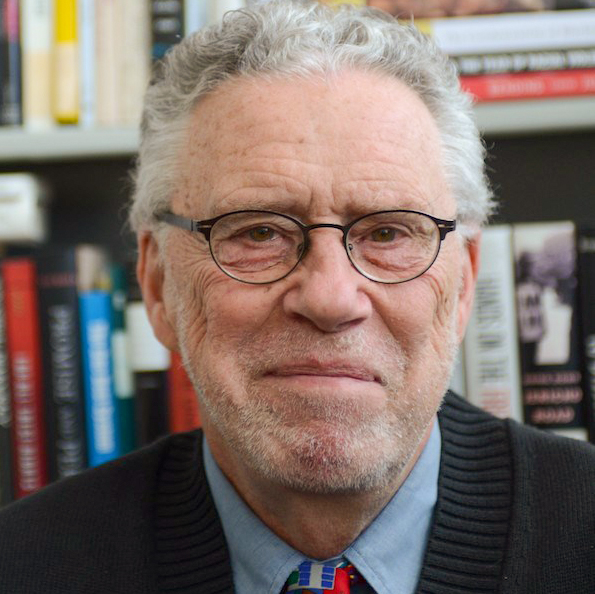
Robert Forrant, PhD, is a professor in the History Department at the University of Massachusetts Lowell (uml.edu), teaching courses on global labor issues, labor history, immigration, and international development. He is director’s of the department’s graduate program. He has been a consultant to the United Nations Industrial Development Organization, the International Labour Organization, the Organization for Economic Cooperation and Development, the International Metalworkers Federation, and several trade unions. His research activities have been funded by, among others: the International Metalworkers Federation, the International Labour Organization, the International Association of Machinists and Aerospace Workers, the Organization for Economic Cooperation and Development, the Russell Sage Foundation, the United States Department of Housing and Urban Development, the Commonwealth of Massachusetts and the cities of Lowell and Leominister, Massachusetts.
